Open Actions and Audit Risk: What Your Pest Reporting Could Be Hiding
For many businesses, pest control reports are reviewed, filed and revisited only when the next inspection takes place.
However, hidden within those reports is often one of the biggest threats to audit performance and compliance: open actions.
A recommendation noted during a routine inspection may seem insignificant at the time. A damaged door seal. A housekeeping issue. A hole requiring proofing. A missed cleaning process. Yet when these actions remain unresolved, they can quickly become a recurring pest risk and, ultimately, an audit non-conformity.
The question every QA, Technical and Facilities Manager should ask is:
What isn't your pest report telling you?
What Are Open Actions?
Open actions are recommendations raised during pest control inspections that have not yet been completed. These actions are typically assigned to individuals or departments responsible for resolving the issue.
While the pest control technician identifies the issue, responsibility for completion usually sits elsewhere; facilities teams, maintenance teams, operations managers, contractors etc.
This is where visibility becomes critical. The pest contractor can identify the risk, but unless
someone takes ownership and closes the action, the underlying cause remains.
Why Open Actions Often Seem Minor
One unsealed gap. One damaged brush strip. One overdue housekeeping recommendation.
On their own, these issues can appear relatively low risk. As a result, organisations often prioritise more immediate operational concerns and assume they can address the recommendation later.
The problem is that pest management is rarely about a single issue.
Repeated minor recommendations often indicate wider vulnerabilities within a site.
What begins as a small maintenance task can develop into recurring activity, repeat tasks, customer concerns and even escalated site risk.
By the time an auditor identifies the issue, the conversation is no longer about the recommendation itself. It's about the organisation's ability to demonstrate control.
What Your Pest Report Might Not Be Telling You
Most site reports clearly document recommendations. What they often fail to show is the bigger picture.
For example:
- How many actions remain open
- Which actions are overdue
- Are recommendations recurring across multiple visits
- Who owns each action
- Have high-risk issues been escalated
- Are similar actions appearing across multiple sites
Without centralised visibility, organisations can unknowingly accumulate a backlog of
unresolved actions.
On paper, inspections are completing successfully. In reality, the underlying risks remain unresolved. This creates an audit vulnerability that many businesses don't recognise until it's exposed.
Major audit schemes increasingly focus on evidence of continuous improvement and corrective action management. Auditors aren't just interested in whether issues have been
identified.
They want to see that they have been addressed.
The Link Between Open Actions and Non-Conformities
Whether you're working to BRCGS, SALSA or customer-specific standards, auditors want evidence that identified issues are being addressed. Raising a recommendation isn't enough. Auditors look for proof that corrective actions have been completed and managed effectively.
When actions remain open for extended periods, it can raise concerns around:
- Corrective action management
- Site standards
- Risk control
- Accountability
Even if no active pest issue exists, unresolved recommendations can contribute to non conformities and affect audit outcomes.
Common findings include; failure to address pest prevention recommendations, poor corrective action management, inadequate follow-up procedures or a lack of ownership and accountability.
The Wider Business Impact
Audit findings rarely exist in isolation. Unclosed actions can have a much broader impact on organisational performance.
Why Do Actions Stay Open?
Most organisations don't intentionally leave recommendations unresolved. Instead, actions often remain open because of process gaps and visibility challenges.
Common causes include:
How to Gain Full Visibility and Control
The key to reducing audit risk is not identifying more actions. It's ensuring the right actions are completed. This requires a shift away from static reporting towards real-time visibility.
Modern digital reporting allows organisations to:
- Track actions from identification through to closure
- Assign ownership clearly
- Monitor overdue recommendations
- Escalate high-risk issues
- Demonstrate accountability during audits
- Generate evidence of corrective action completion
Rather than relying on individual reports, teams gain a live view of outstanding risk across the business.
At Contego, we believe pest reporting should do more than record findings.
It should help organisations maintain control.
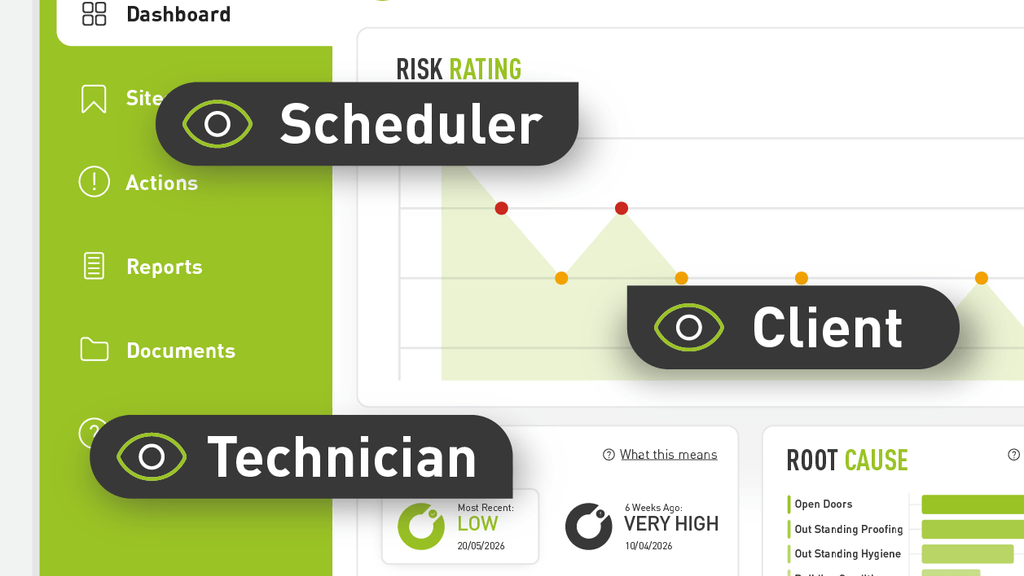
Through Synergy, customers can access real-time visibility of recommendations, outstanding actions and escalation status across their sites.
Instead of manually reviewing multiple reports, teams can quickly identify open actions, overdue tasks, recurring recommendations and ownership.
This helps ensure that recommendations don't simply appear in reports. They are actively managed through to completion.
Practical Tips for QA and Technical Teams
Reducing audit risk starts with building stronger action management processes.
Consider the following best practices:
Make Action Closure a KPI
Track closure rates alongside other compliance and operational metrics.
This helps ensure recommendations receive appropriate attention and resources. Every recommendation should have a named owner, target date and escalation route if progress stalls.
Review Outstanding Actions Before Every Audit
Conduct an internal review of all open pest-related recommendations before scheduled audits.
Addressing issues proactively reduces the risk of findings during external inspections.
Focus on Recurring Actions and Data
If the same issues appear repeatedly, investigate the root cause rather than continually addressing symptoms. Review outstanding recommendations collectively rather than individually to identify trends and high-risk sites.
The organisations that perform best during audits aren't simply identifying problems.
They're demonstrating control. And that starts with visibility. Because the most important question isn't whether actions have been raised.
It's whether they've been closed.
Take Control of Open Actions Before Your Next Audit
Contego helps organisations gain real-time visibility of recommendations, ownership and action status through digital reporting and the Synergy platform.
Want to understand what's hiding in your pest reports? Speak to the Contego team to discover how better visibility can help reduce audit risk, improve compliance and strengthen operational control.