5 Red Flags in Your Current Pest Control Process and How to Fix Them Fast
Managing pest risk across an education estate is about much more than arranging regular site visits. Schools, colleges and universities face unique challenges, from large and complex buildings to fluctuating occupancy levels, catering operations and ageing infrastructure.
Yet many estates teams only discover weaknesses in their pest control process when an issue escalates, a complaint is raised or an audit highlights a gap.
The good news?
Most problems leave warning signs long before they become major risks. Here are five red flags that could indicate your current pest control process needs attention and, more importantly, how to fix them.
Red Flag 1: You're Receiving Reports, But Not Gaining Insight
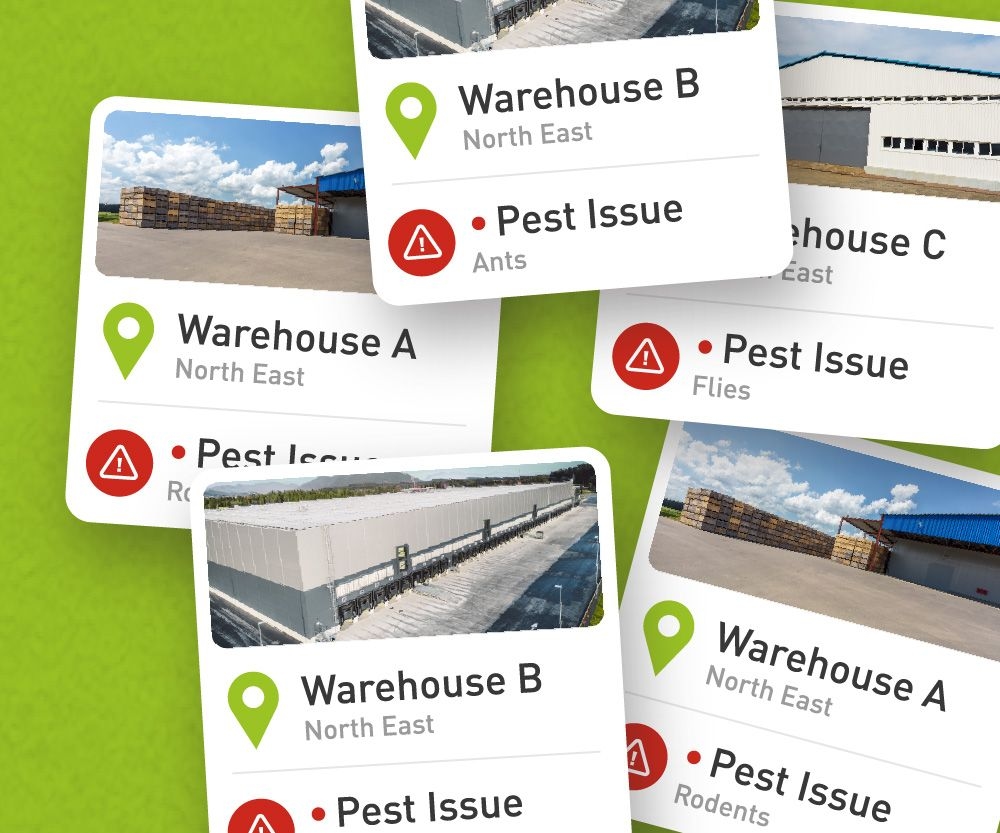
Most pest control contractors provide reports after every visit. But are those reports helping you make decisions?
If you're receiving multiple site reports every month but still struggling to answer questions such as:
- Which sites are the highest risk?
- Where are recurring issues occurring?
- Which recommendations remain outstanding?
This may mean you're collecting information rather than insight.
How to Fix It
Look for reporting that provides estate-wide visibility rather than individual site snapshots. Trend reporting and dashboard views make it easier to identify patterns, prioritise resources and focus attention where it is needed most.
Red Flag 2: Corrective Actions Regularly Stay Open
A technician identifies a damaged door sweep, poor waste management practices or a proofing issue. The recommendation is recorded. Then nothing happens.
Open actions are one of the most common weaknesses in pest management programmes. While the pest contractor may identify the risk, responsibility for fixing it often lies with maintenance, facilities or site teams.
Without clear ownership and tracking, recommendations can remain open for months.
How to Fix It
Implement a process that assigns ownership, target dates and escalation routes for all corrective actions. Regularly review outstanding actions and prioritise those that directly impact pest risk.
Red Flag 3: You're Reliant on Paper Reports and Spreadsheets
Many education estates still rely on paper records, email trails or spreadsheets to track pest management activity.
While this may seem manageable, it creates several risks:
- Information is difficult to access quickly
- Trends are harder to identify
- Actions can be missed
- Audit preparation becomes more time consuming
When key information is stored in multiple places, visibility suffers.
How to Fix It
Move towards digital reporting and centralised data management.
Having information available in one location makes it easier to review site performance, track actions and demonstrate compliance when required.
Red Flag 4: You Only Review Pest Management Before an Audit
For some organisations, pest management receives increased attention only when an audit, inspection or compliance review is approaching. This reactive approach can result in last-minute corrective actions, rushed documentation reviews and unnecessary stress.
More importantly, it can allow risks to develop unnoticed between inspections.
How to Fix It
Treat pest management as an ongoing risk management activity rather than an annual compliance exercise.
Schedule regular reviews of:
- Outstanding recommendations
- Pest activity trends
- High-risk locations
- Site condition reports
This helps identify issues before they become audit findings.
Red Flag 5: The Same Issues Keep Appearing
Have you noticed the same recommendations appearing repeatedly in reports?
Recurring proofing defects, housekeeping issues or waste management concerns often indicate that root causes are not being addressed. Repeated actions waste time, increase costs and suggest vulnerabilities remain unresolved.
How to Fix It
Look beyond the individual recommendation and investigate the underlying cause.
Trend analysis can help identify recurring issues across sites and support long-term solutions rather than short-term fixes.
Why These Red Flags Matter
In education environments, pest management failures can impact more than compliance.
They can affect:
- Student and staff wellbeing
- Reputation and parent confidence
- Site standards
- Operational efficiency
- Facilities budgets
The earlier issues are identified, the easier and more cost-effective they are to resolve.
Building a More Proactive Pest Control Process
The most effective pest management programmes don't just respond to issues. They use data, visibility and accountability to prevent them.
By reviewing trends, tracking actions and maintaining clear oversight across sites, estates teams can move from reactive problem-solving to proactive risk management.
This provides greater confidence during inspections, stronger compliance performance and a clearer understanding of where resources should be focused.
Is Your Pest Control Process Giving You the Full Picture?
At Contego, we help education estates teams gain greater visibility through digital reporting, trend analysis and real-time action tracking.
By bringing pest activity, corrective actions and site insights together in one place, organisations can identify risks earlier, improve accountability and make more informed decisions across their estate.
Want to Know the Risks?
Want to know where the hidden risks are in your current pest control process?
Speak to the Contego team to discover how greater visibility can help strengthen compliance and reduce risk across your sites.