Why Fast Response KPI's Don't Solve Repeat Problems
Speed matters in pest management. No one disputes that. A quick response can contain an issue, reduce immediate risk, and demonstrate operational efficiency. In many contracts, response time is one of the most closely measured KPIs. But there’s a problem:
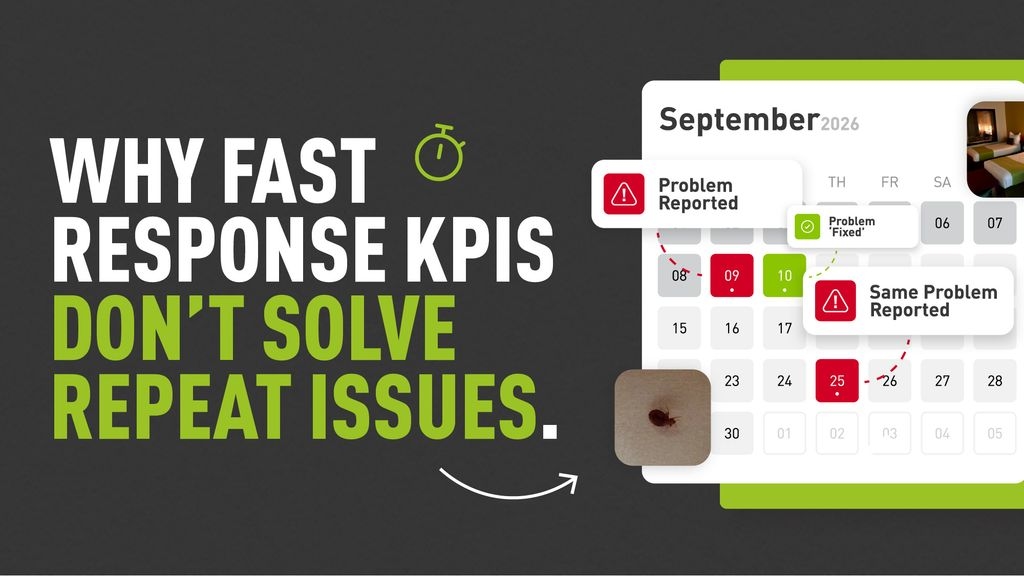
If the same issues keep coming back, how valuable is a fast response really? Because while speed deals with the symptom, it doesn’t always address the cause. And without fixing the cause, businesses risk getting stuck in a cycle they never escape.
The Industry Obsession with Reaction
Across the industry, performance is still heavily measured on how quickly teams react:
- Time to attend site
- Time to close jobs
- SLA Compliance
These metrics are easy to track and easy to report on. They give a clear sense of activity and responsiveness. But they also create a narrow focus. They prioritise fixing problems after they happen - rather than stopping them from happening again.
The result is a model that looks efficient on paper, but often hides deeper, unresolved issues.
The Reality: Repeat Problems are Still Repeat Risks
Fast response KPIS's can make performance look strong - even when underlying problems persist. You might see:
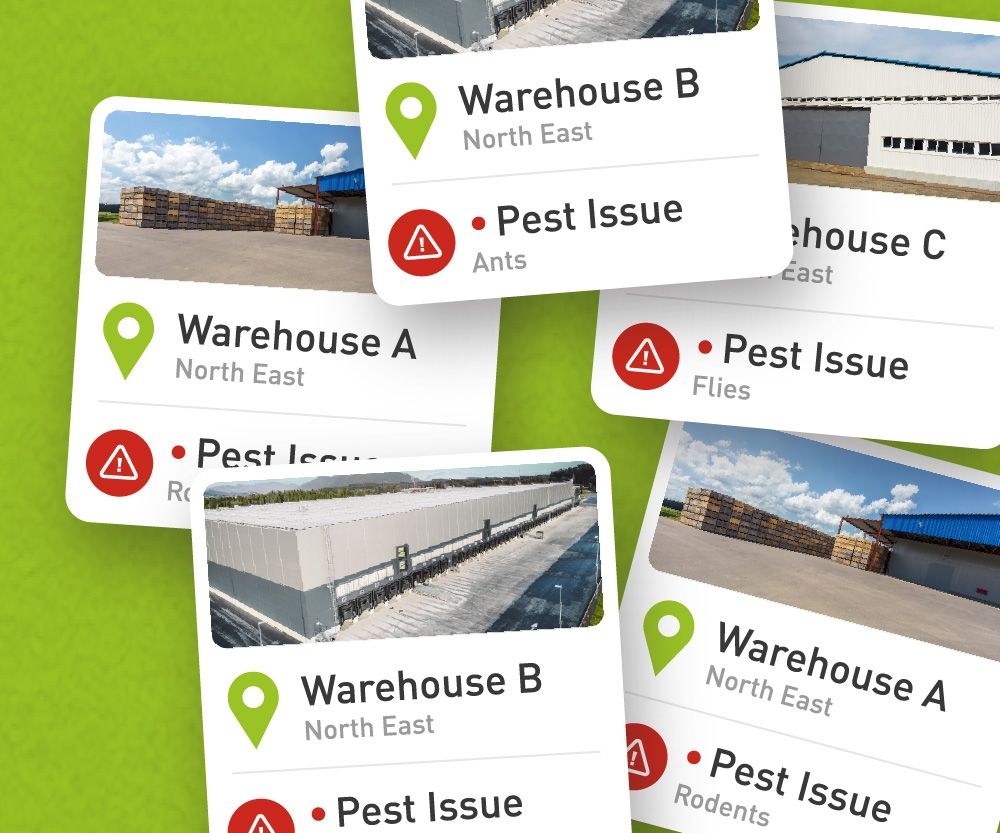
- The same infestation points flagged repeatedly
- Recurring recommendations that never fully resolve the issue
- Ongoing call-outs to the same areas across multiple visits
Each one handled quickly. Each one logged and closed. But collectively? They highlight a failure of prevention. And more importantly, they represent ongoing risk to the business.
"Quick Wins Without Systematic Fixes Keep You on a Hamster Wheel"
This is the core issue. Respond quickly, close the job, move on. Then come back and do it again. And again. And again. Without systematic change, pest management becomes a loop:
- Issue Identified
- Rapid Response
- Temporary Fix
- Issue Returns
Speed creates the illusion of control - but the problem never truly goes away. Breaking the cycle requires a shift in focus, from reaction to prevention.
Why Speed Alone Isn't a Long-Term Strategy
Fast response is important - but on its own, it doesn’t deliver long-term control. To eliminate repeat problems, three things need to work together:
From Activity Metrics to Rick Metrics
To move forward, businesses need to rethink how success is measured. Instead of focusing purely on how fast the issue was resolved. They need to ask:
- Why did the issue occur?
- Has the root cause been eliminated?
- Is the risk decreasing over time?
This shift changes the conversation from performance reporting to risk control. And that’s where real value sits.
Technology + Insight = Breaking the Cycle
Modern systems can support this transition - but only when used in the right way. Technology can highlight repeat issues across sites, identify patterns in recommendations and failures as well as flagging unresolved or recurring tasks.
But visibility alone isn’t enough. Insight needs to drive action. That means using data to:
- Prioritise long-term fixes over short-term wins
- Target high-risk areas proactively
- Track whether interventions are actually reducing repeat issues
This is how businesses move from reactive firefighting to controlled, strategic management.
What This Means for Your Business
When repeat problems persist, the impact goes beyond pest control. It affects:
Are You Measuring Speed or Solving Problems?
A fast response might close a job. But it doesn’t guarantee the problem is gone. The question is: Are your KPIs rewarding activity - or driving real, lasting outcomes?
At Contego, we believe pest management should go beyond reaction. Our approach focuses on combining insight, prevention, and operational alignment to eliminate repeat issues - not just respond to them.
Build a Strategy that Breaks the Cycle
If your current approach keeps delivering the same problems, faster responses won’t fix it. A smarter, preventative model will.
Speak to Contego about how to move beyond reactive KPIs and build a pest strategy that delivers long-term control - not just short-term fixes.